The "Microbiome: From Benchtop to Bedside" symposium, held last week, was a great success, with 150 attendees participating in Antwerp.
The symposium featured a lineup of great speakers who presented a variety of topics ranging from fundamental research to clinical applications and regulatory issues concerning microbiota.
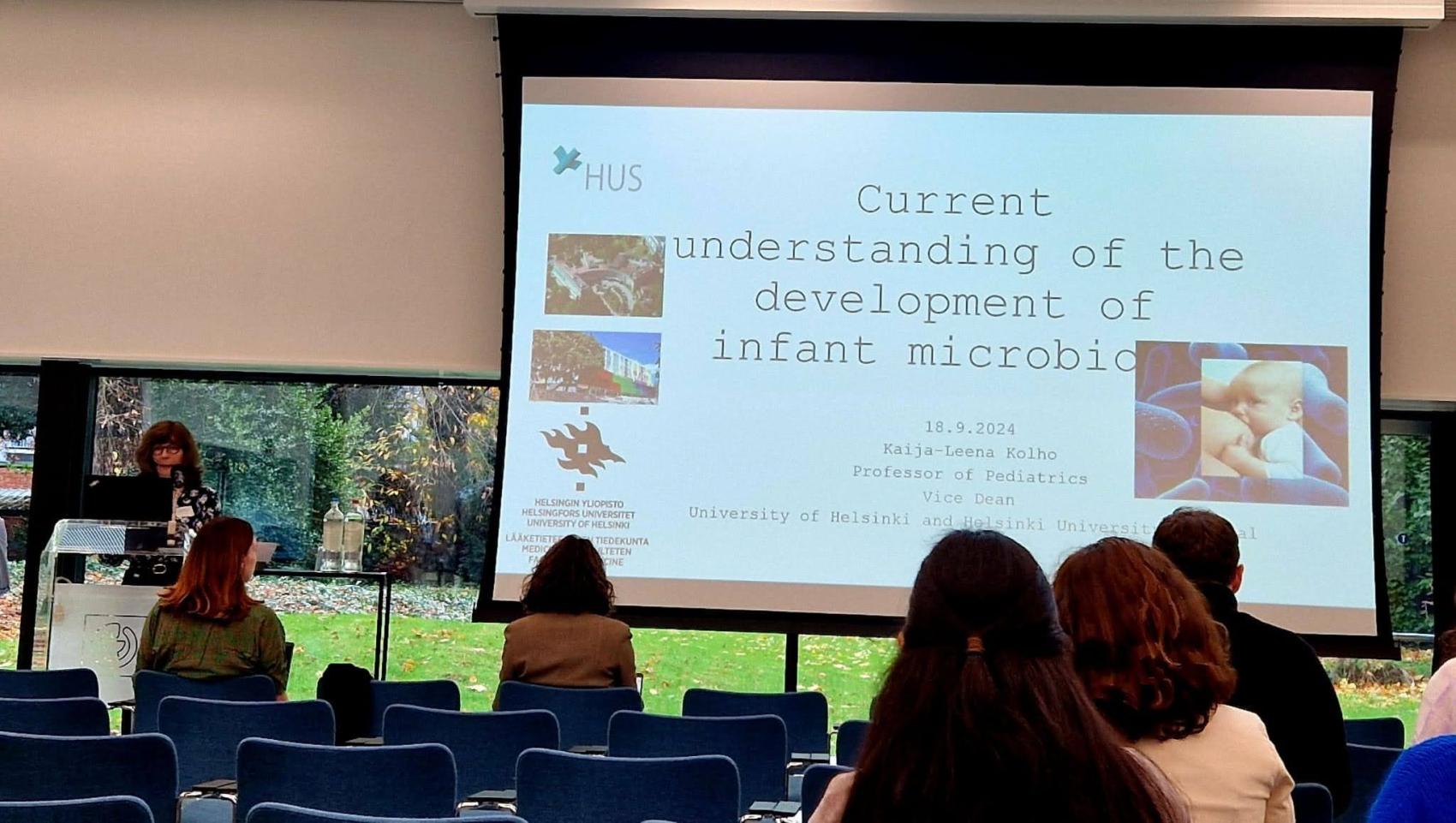
- The morning session on "Microbiome and General Health" began with Prof. Kaija-Leena Kolho from the University of Helsinki, discussing the critical development stages of infant microbiota. This was followed by Prof. Irina Spacova from the University of Antwerp, who explored the significant health impacts associated with human contact with microbiomes in green spaces. Dr. Chloé Connan from MetaGenoPoliS-INRAE, France, presented their French Gut project, examining its potential role in health and disease management.
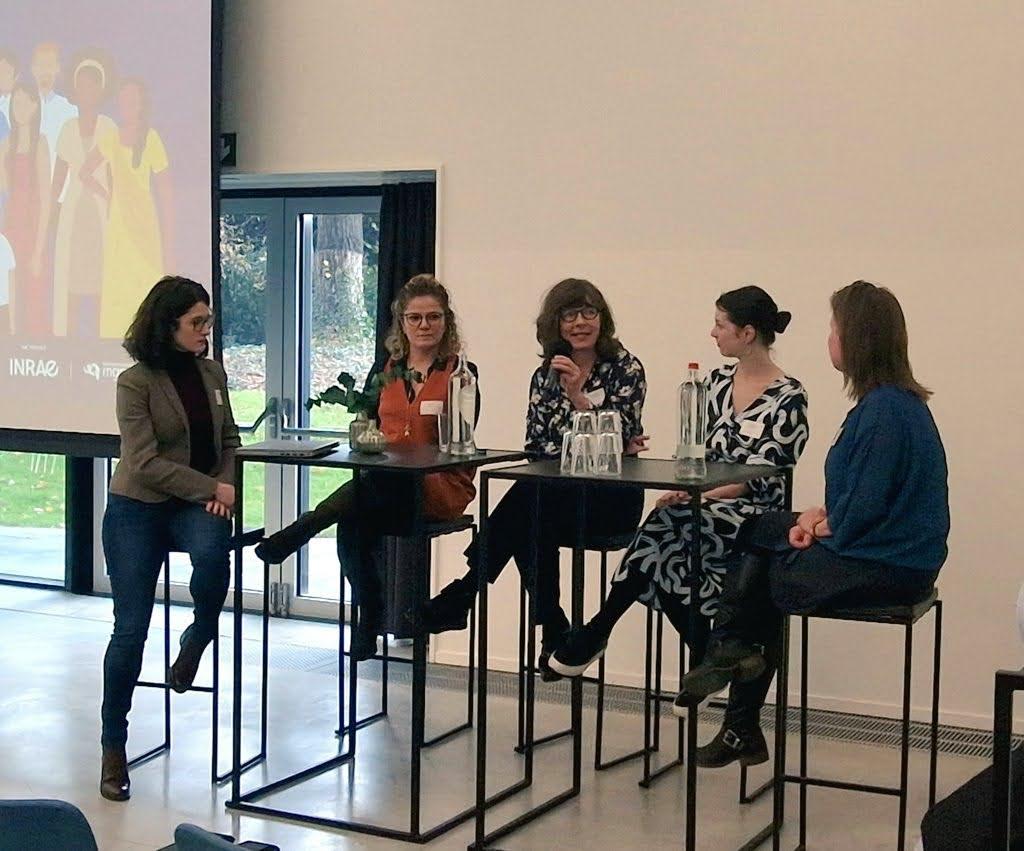
In the panel discussion that ensued, Prof. Nele Brusselaers contributed her extensive knowledge, especially in bridging the gap between research findings and their practical implications for general health. This segment facilitated a great exchange of ideas, furthering the symposium’s goal of integrating scientific insights into practical health solutions. - The lunch session shifted focus towards "Microbiome and Disease" where Prof. Amandine Everard of Université catholique de Louvain, linked the interaction between gut microbes and human eating behaviors. Prof. Shari Mackens from UZ Brussel and VUB, brought to light the influence of female genital tract microbiota on assisted reproductive technologies. Prof. Nicolas Benech from CHU Lyon, provided a comparative analysis of new therapeutic approaches like live biotherapeutic products against conventional fecal microbiota transplantation (FMT) for recurrent Clostridium difficile infections (CDI).
Prof. Doris Vandeputte also added her insights during the panel discussion in the session on "Microbiome and Disease," where she highlighted the importance of understanding the microbial influences in clinical settings. - The afternoon was dedicated to "Microbiome Applications and Regulations" featuring Rosanna Pecere from IPA Europe, who updated the attendees on the 2024 regulatory landscape for probiotic development within Europe. Dr. Céline Druart from the Pharmabiotic Research Institute, discussed the latest advancements in the European regulatory framework that could impact microbiome-based innovations. Finally, Dr. Ingmar Claes from Yun Probiotics, described his pioneering work on topically applied live lactobacilli aimed at improving skin health.
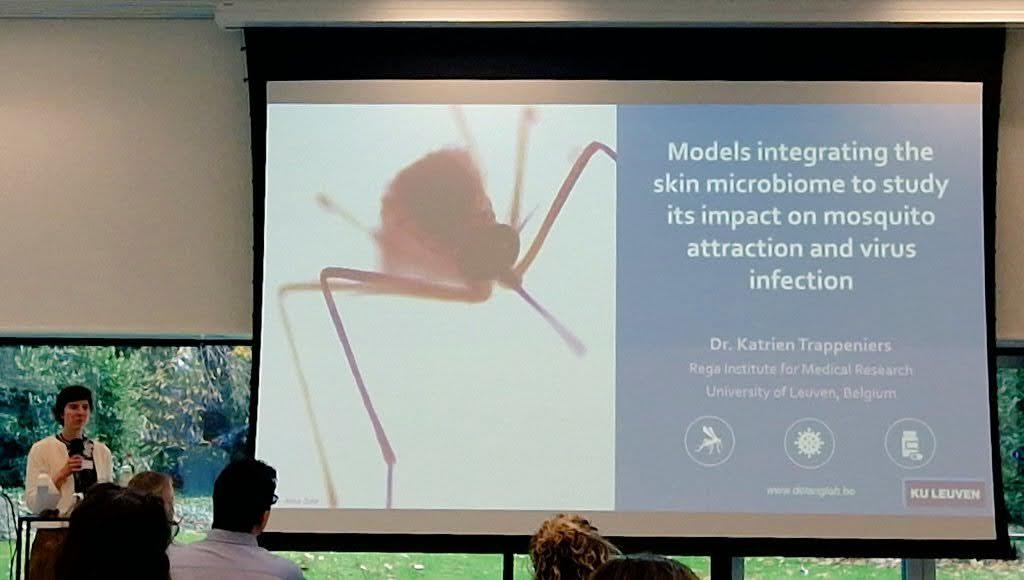
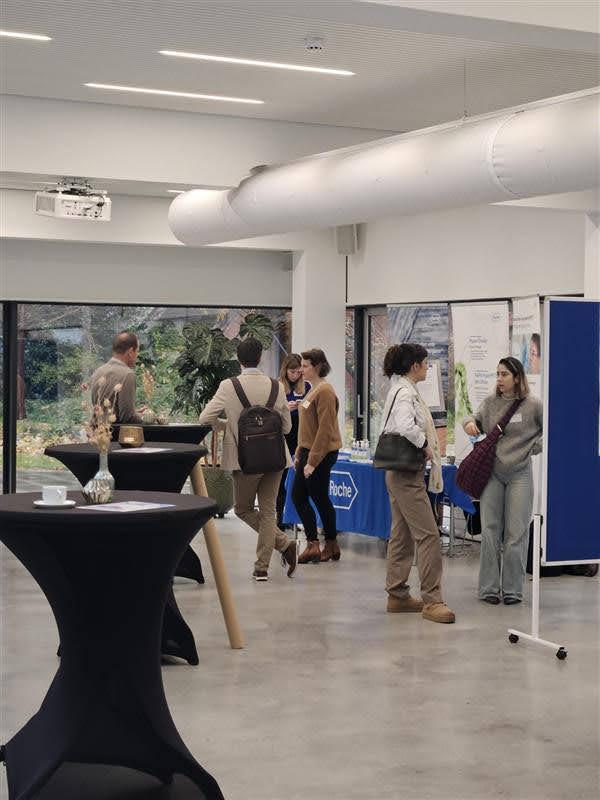
In addition to the excellent talks and discussion sessions, we received over 25 high-quality abstracts, which were selected for poster presentations. A highlight of the event were the Best Abstract Awards, presented to Charysse Vandendriessche from VIB-UGent and Katrien Trappeniers from KUL-Rega Institute for their outstanding research contributions.